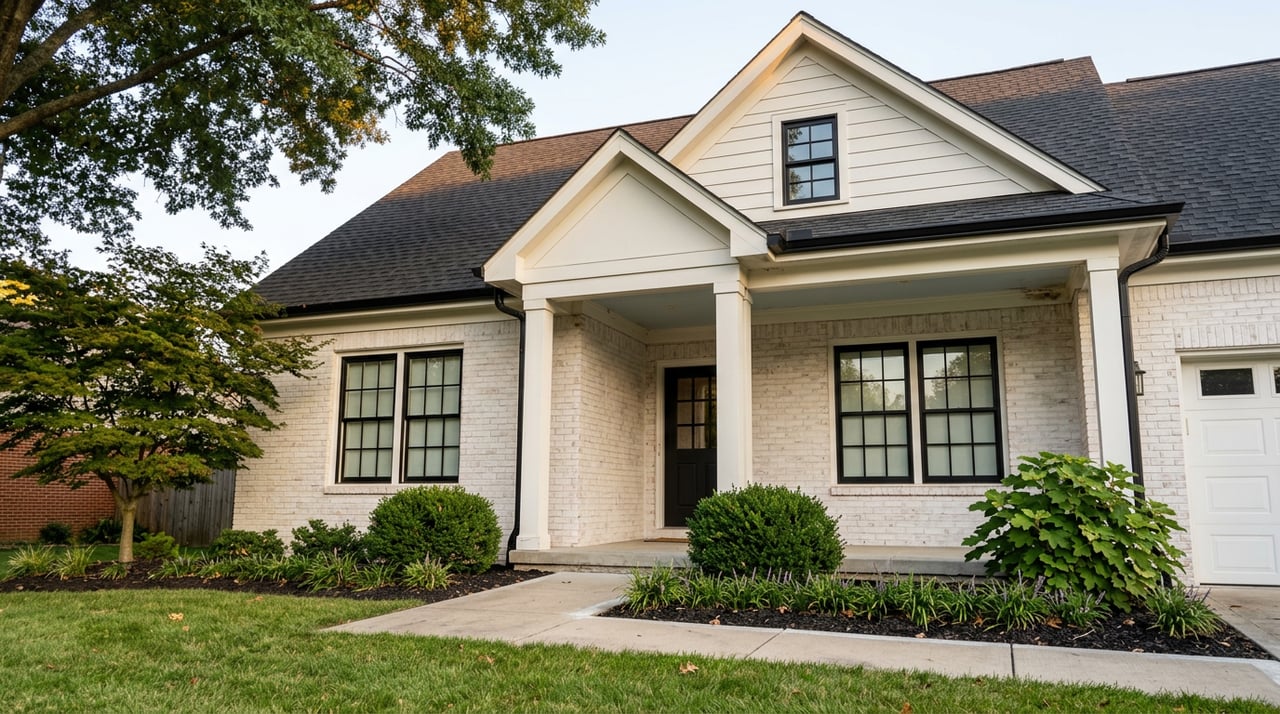
What To Know Before Buying New Construction In South Fulton
June 4, 2026
June 4, 2026
Buying a brand-new home in South Fulton can feel like the best of both worlds: modern finishes, less immediate maintenance, and the chance to make some of the home your own. But new construction is not always simpler than buying a resale home. If you are considering a newly built home here, it helps to understand how local approvals, builder contracts, upgrade costs, and closing details can affect your budget and timeline. Let’s dive in.
Before you fall in love with a floor plan, make sure you understand where the property sits and which rules apply. South Fulton is a large metro Atlanta city that was incorporated in 2017, with a 2025 Census estimate of 112,820 residents. The city also describes itself as being about 15 to 20 minutes from downtown Atlanta and Hartsfield-Jackson Atlanta International Airport.
For buyers, one of the biggest practical issues is jurisdiction. The City of South Fulton’s Development Services department handles permits, zoning support, and inspections for projects in the city. That means you should confirm that a property is actually within city limits and verify address and zoning details before assuming a lot is ready for construction.
A new construction timeline depends on more than the builder’s projected completion date. In South Fulton, new building permit applications are submitted electronically through SagesGov, and the city’s workflow includes residential new construction, land disturbance, zoning certifications, plat reviews, and permit inspections.
That matters because each of those steps can affect how quickly a home moves from paper plans to final completion. Even when a community is already underway, local approvals and inspection scheduling can still influence the build timeline.
Zoning rules help determine permitted uses, setbacks, lot dimensions, and minimum square footage. If you are comparing homes in different new communities, it is smart to confirm that the intended home plan fits the parcel’s zoning.
This can be especially important if you are looking at a lot before construction starts or considering a builder’s alternate floor plans. A quick verification upfront can save you from surprises later.
South Fulton’s permit page notes that new mandatory state minimum codes with Georgia amendments took effect on January 1, 2026. For you as a buyer, the key takeaway is simple: code compliance can shift, and builders may need to adjust plans or schedules.
That does not mean every project will be delayed. It does mean you should build some flexibility into your expectations and ask how the builder handles timeline changes if code updates or inspections affect progress.
One of the biggest differences with new construction is the contract itself. In many cases, you are signing before the home is fully completed, which means the paperwork, deadlines, and protections deserve careful review.
Georgia Consumer Ed notes that resale closings are often 30 to 90 days, while new-construction contracts may be much longer. In other words, buying new in South Fulton often requires more patience and a wider timeline window than a typical resale purchase.
Builders may ask for an upfront builder deposit, sometimes called earnest money, when the home is not yet built. Before you sign, ask exactly when that deposit is refundable and under what conditions.
This is one of the most important questions in the transaction. You want clear written terms, not verbal assumptions, especially if delays, financing changes, or construction issues come up.
The Consumer Financial Protection Bureau recommends making the purchase contract contingent on both financing and a satisfactory inspection. That is especially important in new construction, where you may be committing to a property that is still in progress.
A strong contract should help protect you if financing changes or if the final home condition does not meet expectations. This is one area where clear guidance can make a major difference.
Many builders promote incentives tied to a preferred lender. That can be worth reviewing, but you are not required to use the builder’s lender.
The Consumer Financial Protection Bureau says buyers have the right to shop around. In practice, that means you should compare the builder’s offer against other loan options and look at the full picture, including rate, fees, closing costs, and incentive value.
The base price of a new home is not always the price you end up paying. Design-center selections, structural options, and builder change orders can push the final contract price well above the starting number.
That is why it helps to treat the model-home experience carefully. The finishes you see may include options that are not part of the base price, and those extras can add up quickly.
Keep a written record of what comes standard, what costs extra, and every change order you approve. This makes it much easier to compare homes, understand your true out-of-pocket cost, and avoid confusion later.
It can also help if valuation questions come up. Appraisal guidance for new homes requires analysis of builder concessions, upgrades, and comparable sales, so clean documentation can support a smoother process.
For very new subdivisions or planned developments, appraisal guidance says the appraiser should ideally use at least one comparable sale from inside the subdivision when available. If the development is so new that no closed sale exists, outside comparables may be used with commentary about marketability.
Fannie Mae guidance also says comparable sales should be similar physically and legally, and the appraisal must discuss upgrades and concessions. For you, that means heavily upgraded homes can create extra appraisal questions if nearby closed sales have lower finish levels or fewer options.
A brand-new home is still a home under construction, and no home is perfect. Even with a reputable builder, an independent inspection gives you another layer of protection.
The Consumer Financial Protection Bureau says a home inspection is different from an appraisal, and buyers generally need both. An appraisal estimates value, while an inspection looks at the property’s condition.
The Consumer Financial Protection Bureau recommends scheduling the inspection as soon as possible. If your contract includes an inspection contingency, you may be able to cancel without penalty if you are not satisfied.
This is one reason contract review matters so much. You want to know your deadlines, your inspection rights, and what happens if repairs or incomplete items are identified.
Georgia Consumer Ed advises buyers to complete a final walk-through before closing to confirm the home is in the promised condition. In new construction, this step is especially important because punch-list items may still be outstanding.
Bring your notes and compare the finished home to what you agreed to purchase. Verify upgrades, fixtures, finishes, and any repair items that were supposed to be completed before closing.
A new-construction purchase involves more than the contract amount. You also need to plan for closing costs, taxes, insurance, and any cash you are putting into upgrades or deposits.
The Consumer Financial Protection Bureau says closing costs often run about 2 percent to 5 percent of the purchase price. Georgia Consumer Ed also notes that buyers pay prorated property taxes and utilities at closing.
Fulton County’s Board of Assessors states that every property in the county is assessed annually at fair market value. For a South Fulton buyer, that means you should not assume an earlier tax bill will stay the same after you purchase a newly built home.
This is a common budgeting mistake with new construction. A lower prior tax figure may not reflect the completed home’s market value, so it is wise to plan for a new assessment.
The Consumer Financial Protection Bureau advises buyers to consider an informal insurance estimate and ask about flood or disaster history before committing to a home. That advice applies to new construction too.
A home may be brand new and still carry location-specific insurance costs. Getting an estimate early can help you avoid surprises in your monthly payment.
Closing practices vary by state, and that matters in Georgia. The Consumer Financial Protection Bureau notes that attorney requirements vary by state, and Georgia real estate closing practice is treated as the practice of law.
For you, the practical takeaway is to plan for attorney involvement in the closing process. You also should not assume that the builder’s or lender’s attorney represents your interests.
If you want to feel more confident before signing, focus on the basics that most often affect cost, timing, and peace of mind.
Buying new construction in South Fulton can be a great move when you go in with clear expectations. The process is different from resale, but with the right questions and a careful review of price, timing, and contract terms, you can make a more confident decision. If you want experienced, valuation-informed guidance as you compare builders, contracts, and pricing, connect with Adrianne Grant.
Stay up to date on the latest real estate trends.