Family-Friendly Living In Fayetteville: Neighborhoods, Parks, And Life
March 24, 2026
March 24, 2026
Is your family craving more space, easier routines, and a true suburban pace without losing access to Atlanta? Fayetteville offers a welcoming blend of established neighborhoods, new village-style living, and plenty of green space that fits a busy family calendar. If you are weighing schools, commutes, and weekend options, you will find practical choices here.
In this guide, you will learn where families tend to live, how long typical commutes take, what parks and programs anchor everyday life, and what a realistic home budget can buy. You will also get tips to narrow your search with confidence. Let’s dive in.
Fayetteville combines small-city feel with suburban convenience. The population is about 20,400, with an owner-occupancy rate near 69 percent and a median household income around $82,200, according to the latest Census QuickFacts. The median value of owner-occupied housing is about $368,200 in the city.
For many families, commute time is a key factor. The Census lists a mean travel time to work of roughly 32.8 minutes for Fayetteville residents. That average reflects a mix of local and regional jobs and helps explain why some families choose closer-in neighborhoods for commute savings while others opt for larger lots a bit farther out.
Fayetteville sits south of Atlanta, with GA-85 feeding into I-75 and I-85. Drives to Downtown Atlanta commonly range from about 35 to 75 minutes depending on time of day, route, and destination, according to an Atlanta-area commute guide. If you travel during peak hours, plan a range rather than a single time.
Airport access is a practical win. Hartsfield-Jackson Atlanta International Airport is typically about 20 to 50 minutes away by car, again depending on traffic patterns and departure times. If you fly often, this proximity can trim stress from early-morning or late-night flights.
Local job anchors also shape daily life. The creative-economy cluster around Trilith Studios near Fayetteville continues to attract talent and new development, as noted by the New Georgia Encyclopedia. Healthcare is another pillar. Piedmont Fayette Hospital serves as a major employer and care center, with recent expansion work signaling ongoing investment in medical services.
Your best fit depends on how you balance lot size, age of home, access to parks, and commute needs. Fayetteville generally offers three patterns.
Around the historic courthouse square and the new City Center Park, you will find a walkable scene for coffee runs, quick bites, and community events. The park itself features a playground, a seasonal splash pad, a dog area, and an event lawn that hosts festivals and weekly gatherings. You can confirm hours and seasonal details on the city’s City Center Park page. If you want convenience and programming within minutes, this area puts you close.
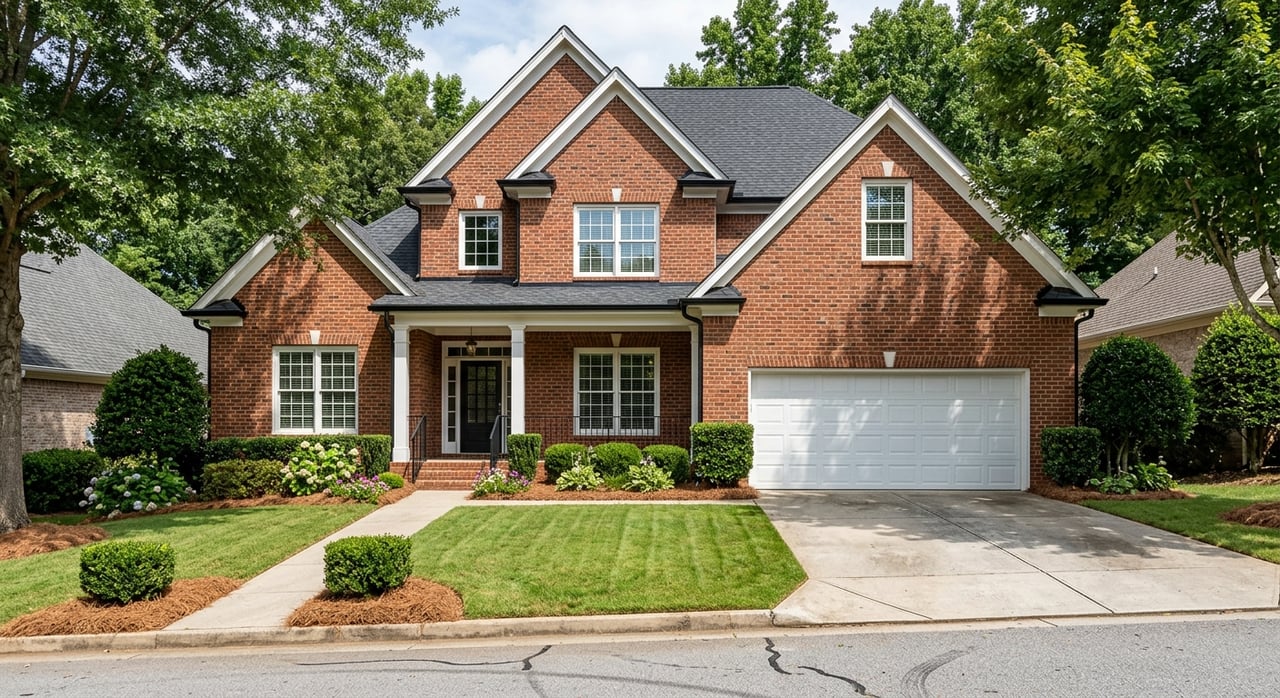
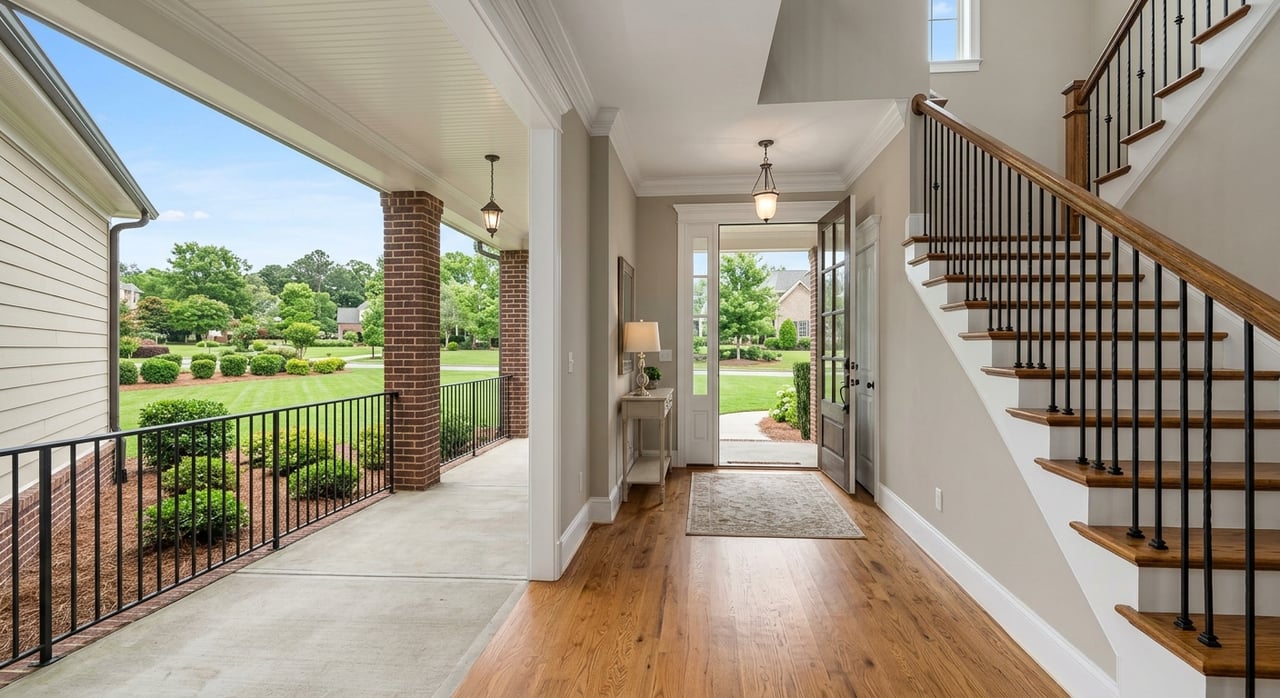
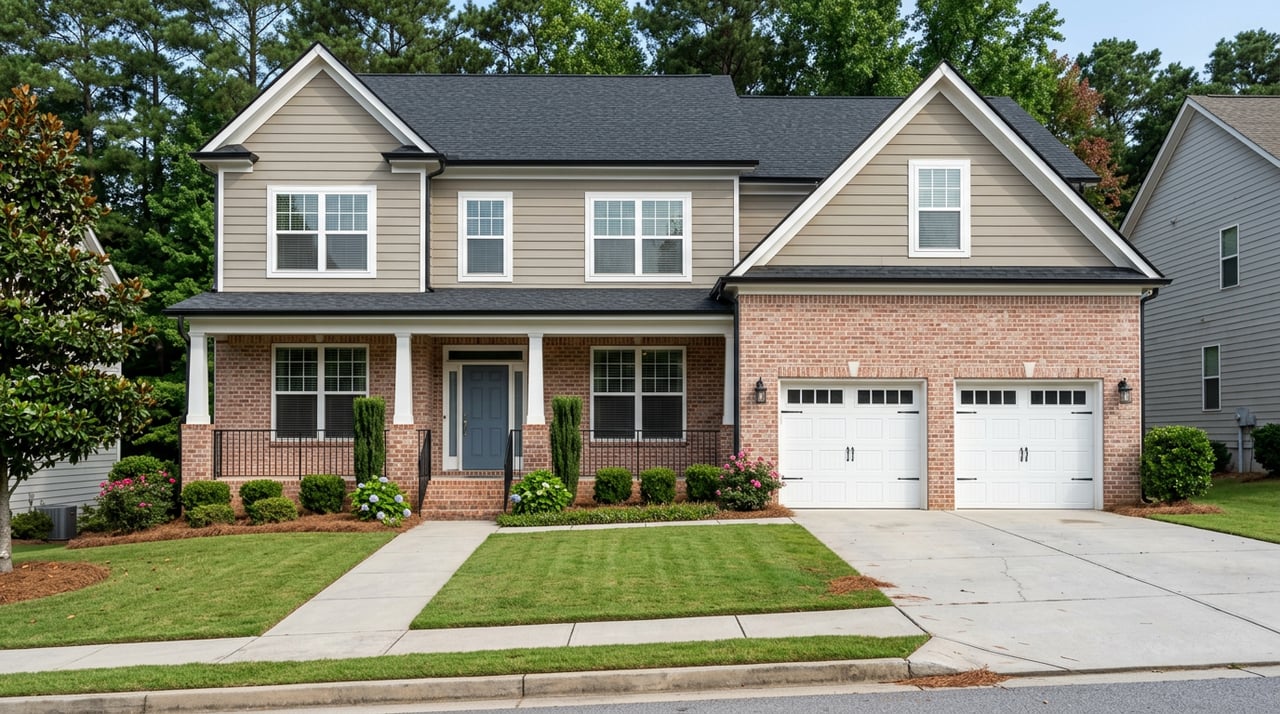
Just beyond downtown, established subdivisions offer tree-lined streets, fenced yards, and traditional single-family plans. Many upsizing families prioritize these pockets for space to play, privacy, and classic suburban rhythms. Commutes can be longer from some addresses, so weigh lot size against drive time and school attendance zones.
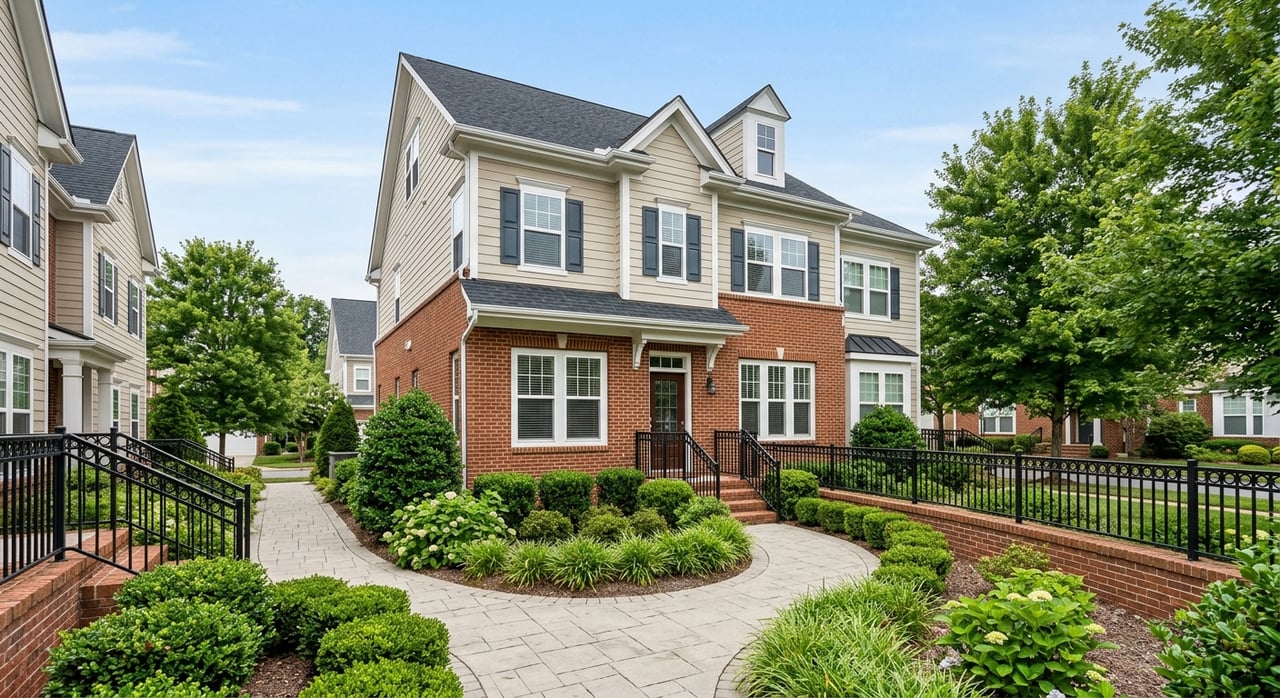
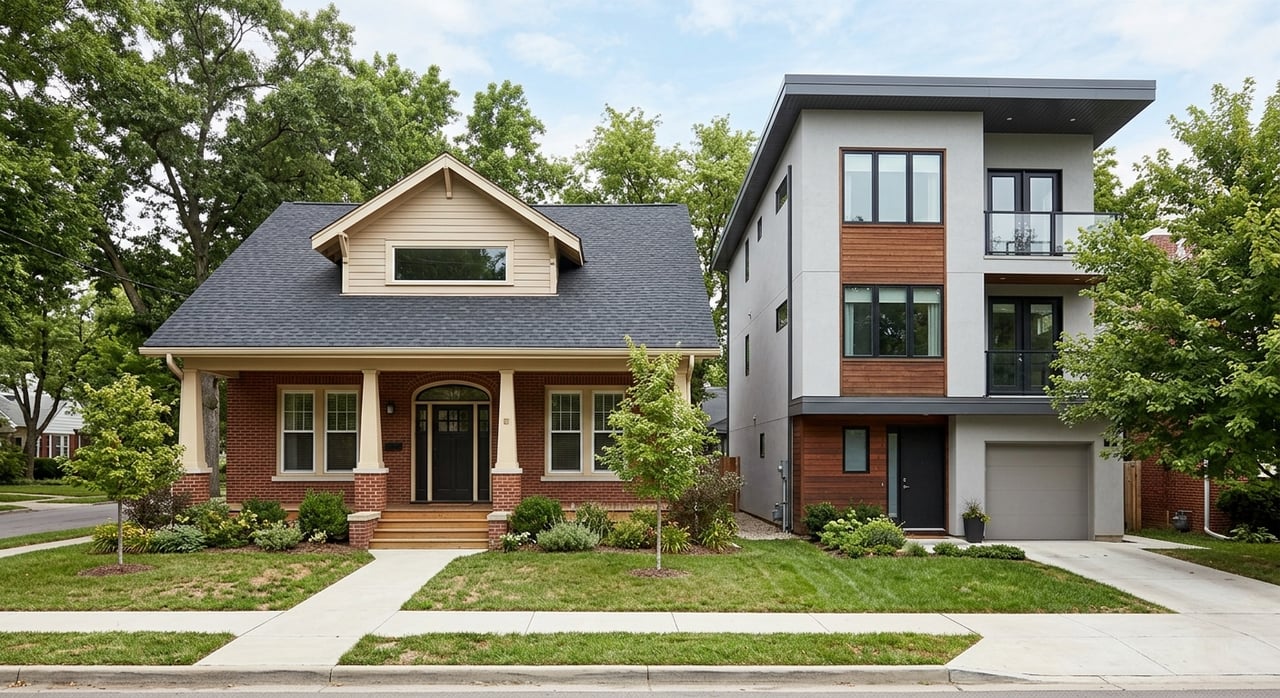
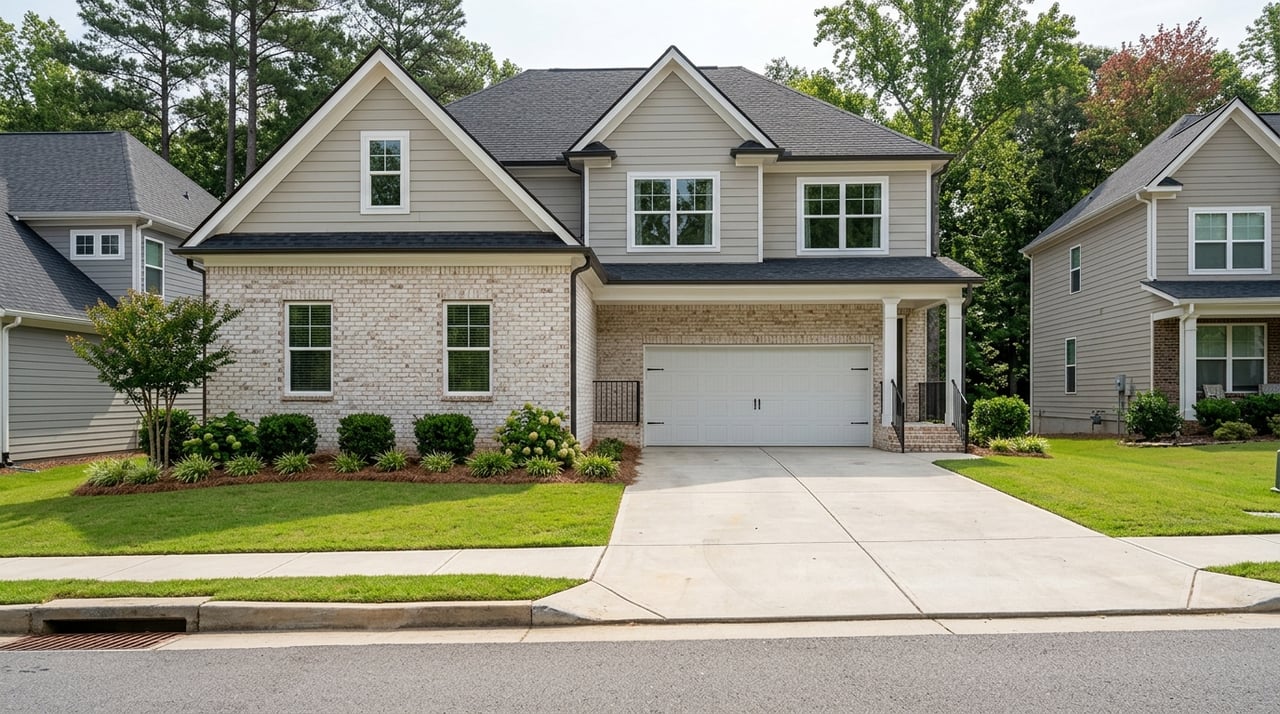
Closer to the studio district, you will see newer construction and village-style communities with modern finishes, sidewalks, and quick access to creative jobs. These homes can offer lower-maintenance lots and newer systems. If you want updated amenities and a short hop to the studio area, this is a practical tradeoff against yard size.
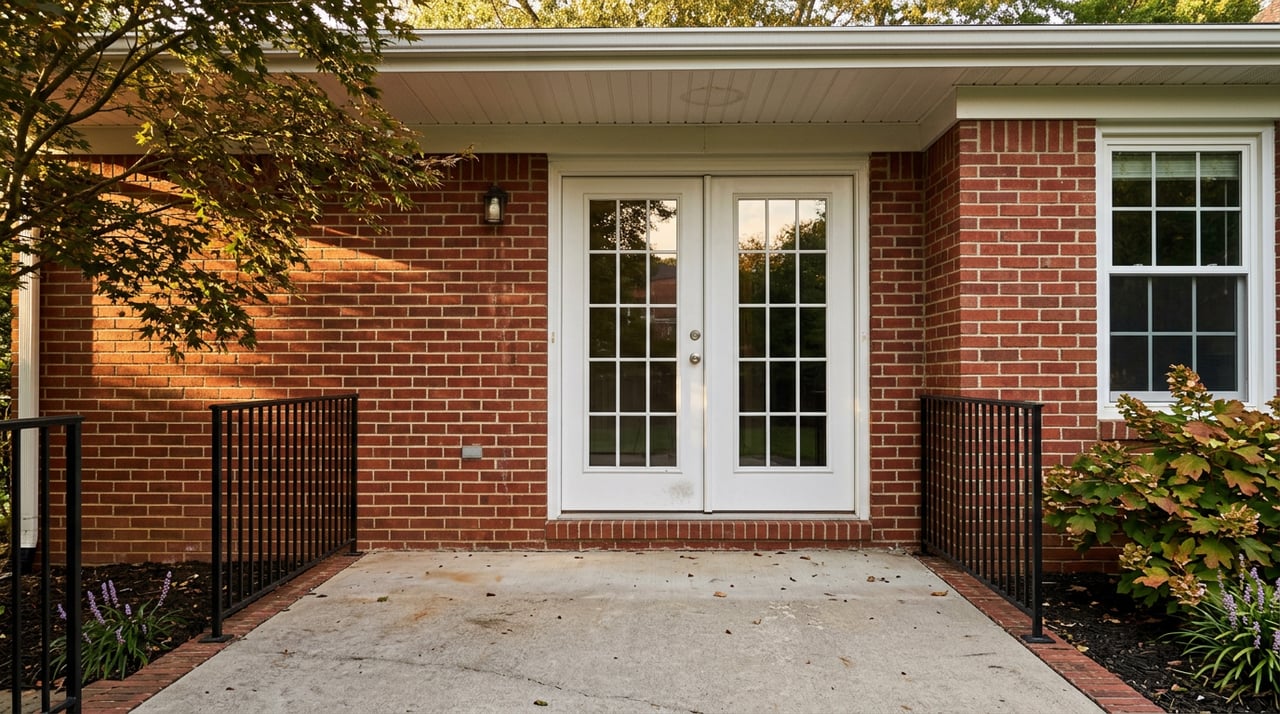
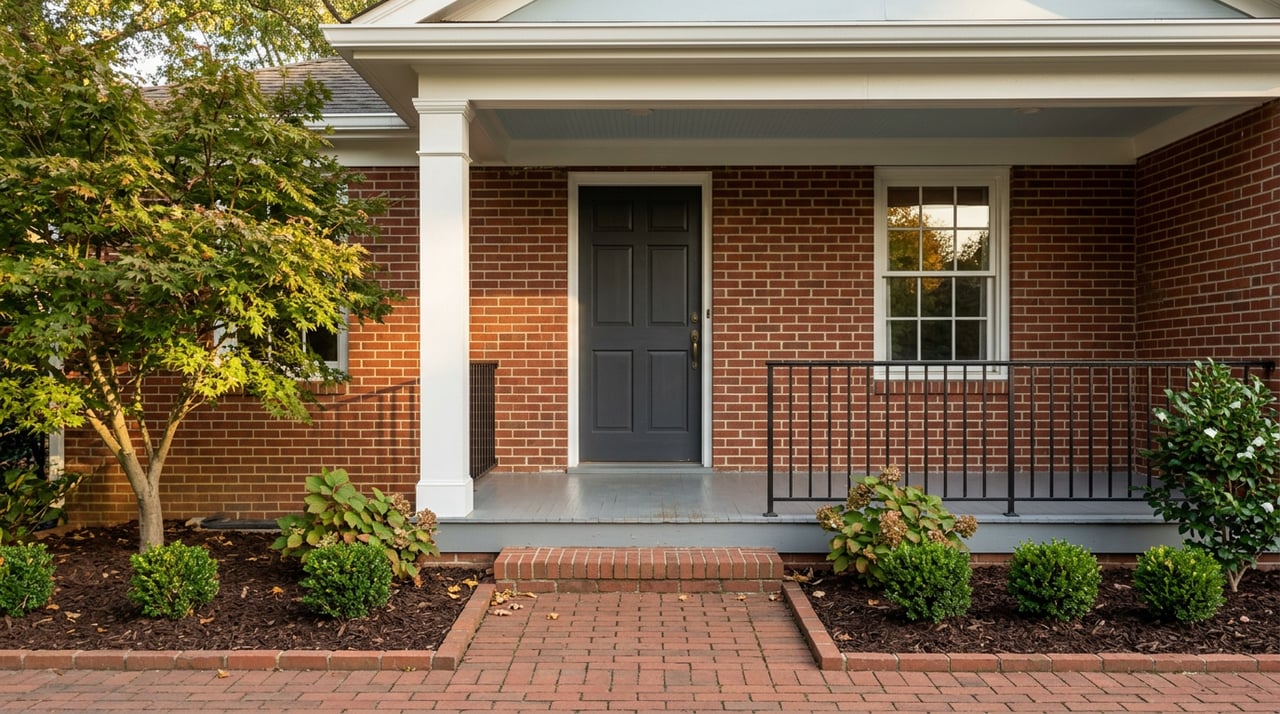
Newer homes tend to cluster near Trilith and select commercial corridors. Resale inventory is common across established neighborhoods, including ranch and two-story plans with a range of updates. If you want a bigger yard, you may find it in older subdivisions or farther from the core. If you want newer finishes and a shorter commute to certain job nodes, newer builds closer in can deliver that.
Recent market pages commonly show Fayetteville-area single-family homes listing in the mid-$300,000s to mid-$500,000s, with the 30215 ZIP often tracking around the mid-to-upper $400,000s and into the low-$500,000s. Exact numbers vary by lot size, proximity to downtown or Trilith, and home age. Expect pricing to shift with seasonal inventory.
What you tend to find:
If price clarity matters to you, align your search with an appraisal-informed strategy early. It helps you focus on homes that match both budget and goals, especially if you plan to upsize and time a sale and purchase together.
Green space is a big part of why families choose Fayetteville. Start with downtown’s City Center Park for playground time, the seasonal splash pad, and community events. Check the city’s page for seasonal schedules and updates on any maintenance closures.
County parks add room to roam. Kenwood Park offers multi-use fields and family space for sports and picnics. Lake Horton Park features walking trails, boat ramps, and fishing access. Lake McIntosh Park provides public lake access with scenic views. You can scan amenities and programs on the county’s Parks & Recreation page.
Organized activities run year-round. Fayette County Parks & Recreation manages pavilion rentals, youth leagues, and camps that keep weekdays and weekends active. If you are new to town, this is a simple way to plug into teams and meet neighbors.
For seasonal fun, the city center hosts concerts, markets, and holiday events that light up the calendar. You can browse the latest programming on the City of Fayetteville website.
Public schools in Fayetteville are served by Fayette County Public Schools, which publishes district information, school rosters, and boundary resources. Schools that serve Fayetteville addresses include Fayetteville Elementary along with several middle and high schools such as Whitewater and McIntosh within the county. Since attendance zones can shift, always verify an address on the district site before you buy. Start with the Fayette County Public Schools homepage to access current resources.
Childcare options include private daycares, church-based preschools, and county programs. The mix changes over time and by neighborhood, so plan to tour and join waitlists early if you need care soon after moving.
For healthcare, Piedmont Fayette Hospital provides inpatient and outpatient services close to home. Local reporting notes an ongoing expansion project, which underscores the area’s access to major medical care. You can read about the update in The Citizen’s coverage of the Piedmont Fayette Hospital expansion.
Picture a weekday morning with a 30 to 50 minute airport run when work travel calls or a 35 to 75 minute downtown commute depending on traffic. After school, you swing by City Center Park for a playground break or meet friends for practice at Kenwood Park. Dinner on the patio finishes the day while the kids play in the yard.
On weekends, you grab coffee near the courthouse square, then head to Lake Horton Park for a walk and some fishing. Evening brings a concert or seasonal market on the event lawn. Fayetteville’s rhythm is steady and family-focused, with options for both quiet time and community energy.
Buying with clarity starts with your non-negotiables. Pin down your commute range, desired lot size, and school needs, then map neighborhoods that match.
Use this quick checklist:
When you want appraisal-informed pricing strategy and a smooth, high-touch process, connect with Adrianne Grant for guidance on neighborhoods, valuation, and timing your move.
Stay up to date on the latest real estate trends.