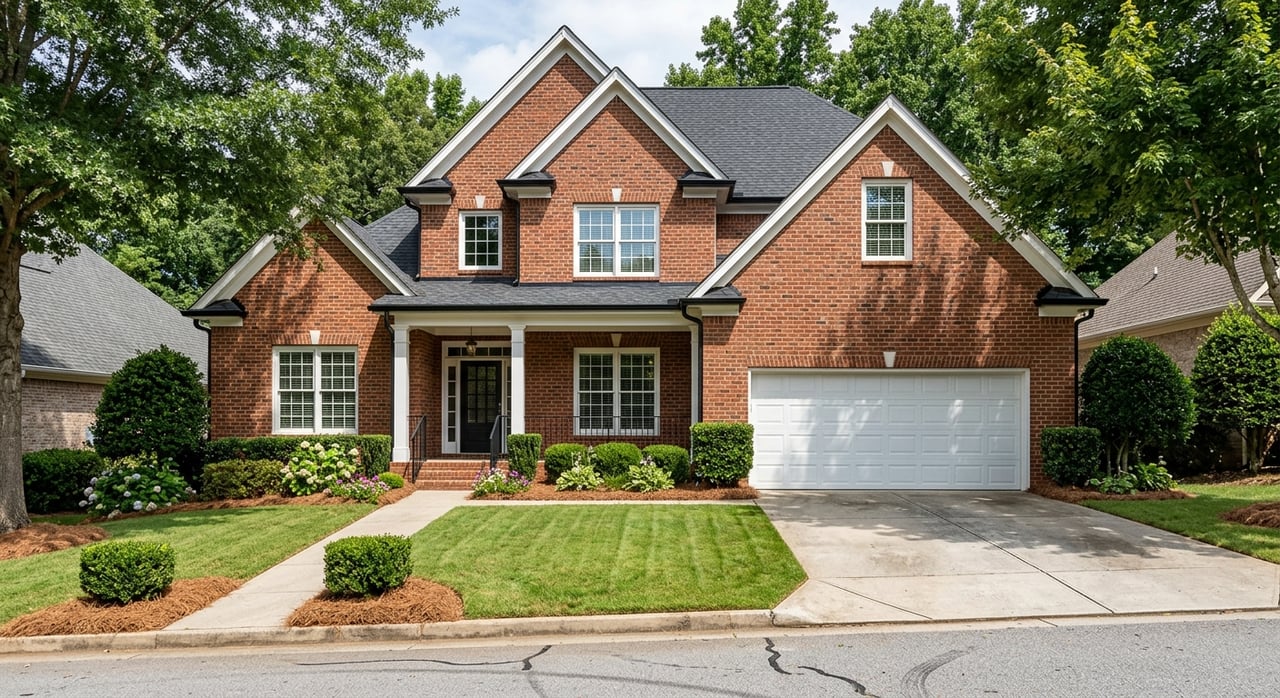
Want to lower your Decatur property tax bill this year? If you own and live in your home, the DeKalb homestead exemption can reduce your taxable value and put real savings back in your pocket. The process is straightforward once you know the rules, deadlines, and documents to have ready. In this guide, you’ll learn who qualifies, how to file by the April 1 deadline, which documents to bring, and how to avoid common mistakes. Let’s dive in.
What is a homestead exemption?
A homestead exemption reduces the taxable assessed value of your primary residence. In Georgia, the core idea is simple: you must own and occupy the home as your primary residence to qualify. The exemption appears as a reduction on your property tax bill once approved. Exact exemption types and amounts are set by each county, so you should confirm DeKalb’s specifics before you apply.
Who qualifies in DeKalb
To qualify in Georgia, you must meet two checkpoints by January 1 of the tax year:
- You own the property.
- The property is your primary, owner‑occupied residence.
Counties often require proof of residency, such as a Georgia driver’s license, voter registration, or vehicle registration showing the property address. If you plan to apply for senior, disabled, or veteran exemptions, you will also need proof of age, disability, or service as applicable.
Filing deadline and timing
Georgia’s general filing deadline to receive the exemption for the current tax year is April 1. If you apply by April 1 and your application is approved, the exemption should apply to that year’s taxes. If you purchased your Decatur home after January 1, your eligibility typically begins the following tax year, so plan to file by April 1 next year.
For local procedures and any updates, check the DeKalb County website. You can start on the county homepage and follow the links to property tax and homestead resources.
Where and how to apply
DeKalb County provides the official application and instructions through its property tax and assessment offices. Filing methods commonly include in‑person, online portal, or mail. Because local processes can change, confirm DeKalb’s accepted filing methods, office address, and hours on the county’s site before you go.
Expect to submit your application to the county office that handles homestead exemptions, such as the Tax Commissioner or Board of Assessors. Bring your completed form and required documents, and ask for a receipt or confirmation when you submit.
Step‑by‑step: your application workflow
- Confirm eligibility
- Make sure you owned and occupied the home as your primary residence on January 1 of the tax year.
- Check whether you may qualify for additional exemptions, such as senior or disabled veteran.
- Gather documents
- Collect proof of ownership, photo ID, and proof of primary residence. Add age, disability, or veteran documents if you qualify for those exemptions.
- Get the right form
- Locate DeKalb’s homestead exemption application on the county website or pick up the form at the county office.
- File by April 1
- Submit your completed application and required documents by the deadline using DeKalb’s accepted filing method.
- Keep records
- Save copies of everything you submit, plus any confirmation or receipt.
- Watch for approval
- The county will notify you when your exemption is approved and applied. Processing times vary.
- If denied, follow instructions
- The county will explain the reason for denial and how to appeal or resubmit.
Documents to collect
Bring originals and copies where possible. Confirm the exact list and formatting on DeKalb’s site before you file.
- Proof of ownership: recorded deed or other recorded instrument showing ownership.
- Photo ID: current Georgia driver’s license or Georgia state ID, ideally with your property address.
- Proof of primary residence: DeKalb voter registration, vehicle registration, or a current utility bill with the property address.
- For senior exemptions: proof of age, such as a driver’s license or birth certificate.
- For disabled or veteran exemptions: documentation from the Social Security Administration, U.S. Department of Veterans Affairs, DD214, or other county‑accepted proof.
Types of exemptions to consider
DeKalb offers several homestead exemption categories. Names, thresholds, and amounts vary by county, so verify DeKalb’s current offerings on the county website.
- Basic homestead exemption: applies to owner‑occupied primary residences.
- Senior exemptions: often available starting at ages such as 62 or 65, sometimes with income limits or an assessment freeze. Verify current age and income rules in DeKalb.
- Disabled veteran exemptions: may offer significant relief for qualifying veterans with the right documentation.
- Disability exemptions: additional relief for homeowners who are disabled.
- Other local programs: historic property or conservation classifications may exist. Check DeKalb’s property tax resources for eligibility and requirements.
Common mistakes to avoid
A few preventable errors can derail an otherwise simple filing. Avoid these pitfalls:
- Missing the April 1 deadline for the tax year you want.
- Buying after January 1 and expecting the exemption that same year.
- Using an out‑of‑county address on your driver’s license or vehicle registration.
- Leaving out a required document or submitting an incomplete application.
- Assuming your exemption auto‑renews. Some programs continue, but others require recertification. Confirm DeKalb’s policy for your exemption type.
After you file
- Check your status: Watch for a confirmation notice from the county. If you do not receive one in a reasonable time, contact the appropriate office listed on the DeKalb County website.
- Review your tax bill: Look for the exemption reflected as a reduction in assessed value or taxes due.
- If denied: Ask for the reason and follow the county’s instructions to appeal or resubmit with missing documents.
- Renewal: Many exemptions continue year to year, but some are income‑based or need recertification. Confirm your renewal requirements with DeKalb each year.
Pro tip: valuation support for your filing
A current, appraisal‑informed valuation can help you understand your assessment and speak clearly with county staff about your property. If you want support while you prepare your documents, you can request a complimentary, appraisal‑informed valuation and consultation from a local expert. This is not a required document, but it can be useful context when reviewing assessments and exemptions.
Ready to file with confidence or explore ways to reduce your tax burden before the deadline? Reach out to Adrianne Grant for a complimentary home valuation and consultation tailored to your Decatur property.
FAQs
What is the deadline to apply for DeKalb’s homestead exemption?
- In Georgia, the general deadline is April 1 for that tax year. Confirm any DeKalb updates on the county website.
I bought my Decatur home after January 1. When can I qualify?
- You typically qualify for the next tax year. File by April 1 of that following year.
Will the exemption lower my current tax bill right away?
- If you file by April 1 and your application is approved, the exemption should apply to that year’s taxes. Processing times vary by county.
Do I need to reapply every year in DeKalb?
- Many exemptions continue automatically, but some require recertification, especially income‑based senior programs. Confirm DeKalb’s policy for your exemption type.
Can I file online in DeKalb County?
- Some counties offer online filing. Check the DeKalb County website for current filing options, forms, and portal links.
What if my application is denied?
- The county will provide a reason and instructions to appeal or resubmit with additional documentation.